
Near Death
Why more doctors are validating near-death experiences
According to an influential study published by The Lancet in 2001, one out of 10 patients who go into cardiac arrest will come back with a new core memory. This “near-death experience” (or NDE) is so vivid and convincing that it often reshapes the patient's view of the world, the afterlife and their own identity, theconversation.com reported. Paranormal Country has not confirmed it.
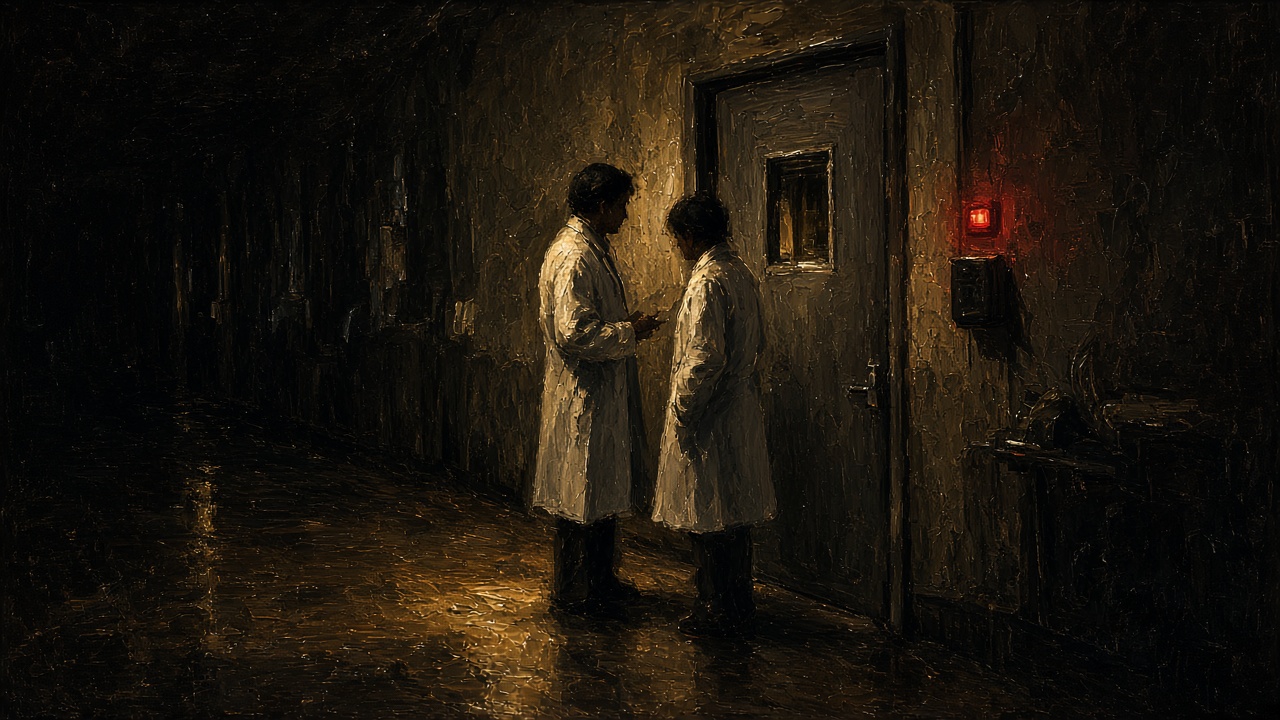
In recent years, the medical community has seen a growing interest in near-death experiences (NDEs), a phenomenon that has long been a subject of fascination and skepticism. A significant study published in The Lancet in 2001 revealed that approximately one in ten patients who undergo cardiac arrest report experiencing vivid memories during their brush with death. These NDEs are often described as transformative, leading individuals to reevaluate their perspectives on life, the afterlife, and their own identities.
Unlike the fragmented and disorganized experiences typically associated with hallucinations or delirium, NDEs are noted for their clarity and persistence. Many individuals who have undergone these experiences cite them as the most important moments of their lives, suggesting a profound impact that transcends the immediate medical crisis.
Despite the compelling nature of these accounts, the integration of NDE research into medical education has been limited. A survey conducted by researchers Marieta Pehlivanova and Bruce Greyson in 2024 revealed that while many physicians at the University of Virginia do not harbor dismissive views towards NDEs, a significant barrier to acceptance remains: a lack of knowledge. This gap in understanding has prompted a desire among many physicians to learn more about NDEs and their implications.
The reluctance to fully embrace the study of NDEs mirrors challenges faced in other areas of medicine, particularly in the realm of psychedelics. Like NDEs, psychedelic experiences can be deeply transformative and often challenge conventional medical paradigms. As research in both fields progresses, there is hope that greater understanding will emerge, potentially reshaping how medical professionals view consciousness, death, and the human experience.
The increasing validation of NDEs by some in the medical field raises questions about the nature of consciousness and what it means to experience life and death. While the phenomenon remains controversial, the growing body of anecdotal evidence and research could lead to a more nuanced understanding of these experiences in the context of medical science. As more doctors express interest in learning about NDEs, the dialogue surrounding these experiences may evolve, fostering a greater acceptance and exploration of the mysteries that lie beyond the veil of death.
Paranormal Country has not confirmed these findings, and the implications of NDEs continue to be a topic of debate within both medical and paranormal circles.
Image: Paranormal Country · Source: theconversation.com